|
Test on All products |
||
|
Test Name |
Reference Standard |
Method of testing |
|
Asbestos
Content |
|
|
|
CFC or
Halon-based materials |
|
|
|
Chloride
ion content |
|
|
|
Chromated
Copper Arsenate CCA content |
|
|
|
Density /
Specific gravity |
|
|
|
Environmental
& Safety Compliance |
Green
Seal GS-37 |
|
|
Environmental
& Safety Compliance |
EcoLabel
Standards |
|
|
Environmental
& Safety Compliance |
Green
Guard certification |
|
|
Fire
Resistance |
ASTM E84
/ EN 13501-1 |
|
|
Non
Emitting product in Nature |
|
|
|
Solid
Content |
ASTM
D2697 |
|
|
VOC
Content |
SCAQMD
Rule 1168/1113 |
|
|
VOC
Content |
EPA
Method 24 |
|
|
VOC
Emission |
CDPH
V1.2-2017 |
|
|
Zinc
content |
|
|
|
Test on Waterproof coatings |
||
|
Test Name |
Reference Standard |
Method of testing |
|
Abrasion
Resistance |
ASTM
D4060, EN 13892-4, ANSI A118.10 |
|
|
Accelerated
Weathering |
ASTM G155,
EN 12312-1, ANSI A118.10 |
|
|
Adhesion
to Substrate |
ASTM
D4541, ASTM D7234, EN 1542, ANSI A118.10 |
|
|
Chemical
Resistance |
ASTM
D1308, EN 13529, ANSI A118.10 |
|
|
Crack
Bridging ability (Static): |
ASTM
C1347 |
|
|
Crack
Suppression |
ANSI
A118.12.5.4 |
|
|
Curing
Time |
ASTM
C639, EN 12311-3, ANSI A118.10 |
|
|
Dimensional
stability |
ANSI
A118.10 (M-4.4) ASTM D1204 |
|
|
Elongation
at Break |
ASTM
D412, EN 12311-2, ANSI A118.10 |
|
|
Fire
Resistance |
ASTM E84,
ASTM E648, EN 13501-1, ANSI A118.10 |
|
|
Fungus
resistance |
ANSI
A118.10 (M-4.1) |
|
|
High-Temperature
Stability |
ASTM
D297, EN 1062-1, ANSI A118.10 |
|
|
Hydrostatic
Resistance |
ASTM D751
(Modified |
|
|
Impact
Resistance |
ASTM
D2794, EN ISO 6272, ANSI A118.10 |
|
|
Low-Temperature
Flexibility |
ASTM
D1970, EN 1062-1, ANSI A118.10 |
|
|
Resistance
to Hydrostatic Pressure |
ASTM
D751, EN 12316-1, ANSI A118.10 |
|
|
Tear
Resistance |
ASTM
D624, EN 12310-1, ANSI A118.10 |
|
|
Tensile
Strength |
ASTM
D412, EN 12311-1, ANSI A118.10 |
|
|
Thickness
Measurement |
ASTM
D4138, EN 13892-6, ANSI A118.10 |
|
|
UV
Resistance |
ASTM
G154, ISO 11341, ANSI A118.10 |
|
|
Water
absorption |
ASTM D870
|
|
|
Water
penetration |
BSEN
12390-8 |
|
|
Water
Resistance |
ASTM D471,
EN 12317-2, ANSI A118.10 |
|
|
Water
Vapor Permeability |
ASTM E96,
EN 1062-3, ANSI A118.10 |
|
|
Water
Vapor Permeance |
ASTM
E96-80 (Inverted Water Method) |
|
|
Waterproofing
|
ANSI
A118.10 (M-4.5) |
|
|
Test on Tile Adhesives |
||
|
Test Name |
Reference Standard |
Method of testing |
|
Chemical
Resistance |
ANSI
A118.3 / ISO 13007-2 |
|
|
Compressive
Strength |
ASTM C579
/ EN 196-1 |
|
|
Fire
Resistance |
ASTM E84
/ EN 13501-1 |
|
|
On site
test - Pull-Off test |
|
https://annayyachandrashekar.blogspot.com/2017/09/astm-d-4541-iso-4624-adhesive-adhesion.html |
|
On site
test - Slip resistance test on tile / stone |
|
https://annayyachandrashekar.blogspot.com/2018/08/slip-resistance-of-flooring-and-floor.html |
|
Open Time
(Tensile Adhesion Strength) |
ISO
13007-2 / EN 1346 |
|
|
Pot Life
and Workability |
ISO
13007-2 / EN 1347 |
|
|
Sag
Resistance |
ANSI
A118.3 / ISO 13007-2 |
|
|
Shear
Adhesion Strength (After Thermal Shock) |
ISO
13007-2 / EN 1348 |
|
|
Shear
Adhesion Strength (After Water Immersion) |
ISO
13007-2 / EN 1348 |
|
|
Shear
Bond Strength (Impervious Ceramic Tile) |
ANSI
A118.3 / ISO 13007-2 |
|
|
Shear
Bond Strength (Porcelain Tile, 28 Days) |
ANSI
A118.4 / ISO 13007-2 |
|
|
Shear
Bond Strength (Porcelain Tile, Heat Aging) |
ANSI
A118.4 / ISO 13007-2 |
|
|
Shear
Bond Strength (Porcelain Tile, Water Immersion) |
ANSI
A118.4 / ISO 13007-2 |
|
|
Shear
Bond Strength (Quarry Tile to Plywood) |
ANSI
A118.11 / ISO 13007-2 |
|
|
Shrinkage |
ANSI
A118.3 / ISO 13007-2 |
|
|
Slip
Resistance (T - Slip Test) |
ISO
13007-2 / EN 1308 |
|
|
Tensile
Adhesion Strength (After Freeze-Thaw Cycles) |
ISO 13007-2 / EN 1348/ ASTM D 4541 & ISO 4624 - On site test |
https://annayyachandrashekar.blogspot.com/2017/09/astm-d-4541-iso-4624-adhesive-adhesion.html |
|
Tensile
Strength |
ANSI
A118.3 / ISO 13007-2 |
|
|
Thermal
Shock Resistance |
ANSI A118.3
/ ISO 13007-2 |
|
|
Transverse
Deformation (Flexibility Test) |
ISO
13007-2 / EN 12002 |
https://annayyachandrashekar.blogspot.com/2018/08/determination-of-transverse-deformation.html |
|
VOC
Content (Volatile Organic Compounds) |
ASTM
D2369 / ISO 11890-2 |
|
|
Water
Cleanability |
ANSI
A118.3 |
https://annayyachandrashekar.blogspot.com/2025/02/testing-process-for-water-cleanability.html |
|
Test on Tile Joint grout |
||
|
Test Name |
Reference Standard |
Method of testing |
|
Abrasion
Resistance |
ISO
13007-4 |
|
|
Chemical
Resistance |
ANSI
A118.3 / ISO 13007-3 |
|
|
Color
Stability (UV Resistance) |
ISO
13007-4 / EN 12808-6 |
|
|
Compressive
Strength |
ANSI
A118.7 / ISO 13007-3 |
|
|
Flexural
Strength |
ANSI A118.7
/ ISO 13007-3 |
|
|
Pot Life |
ANSI
A118.7 / ISO 13007-3 |
|
|
Resistance
to Mold Growth |
ISO 846 |
|
|
Sag
Resistance |
ANSI
A118.3 |
|
|
Shear
Bond Strength (to Ceramic Tiles) |
ISO
13007-4 / EN 1348 |
|
|
Shrinkage |
ANSI
A118.7 / ISO 13007-3 |
|
|
Stain
Resistance |
ANSI
A118.3 / ISO 13007-3 |
|
|
Tensile
Adhesion Strength |
ANSI
A118.3 / ISO 13007-3 |
|
|
Thermal
Resistance |
ISO
13007-3 |
|
|
Water
Absorption |
ANSI
A118.7 / ISO 13007-3 |
|
|
Working
Time |
ANSI
A118.7 / ISO 13007-3 |
|
|
Test on Sealers |
||
|
Test Name |
Reference Standard |
Approx cost (SAR) |
|
Chemical
Resistance |
ASTM
D1308 |
|
|
pH
Measurement |
ASTM E70 |
|
|
Porous
Substrate Staining |
ASTM
C1248 |
|
|
Sealer
Durability |
ISO 11507 |
|
|
Slip
Resistance |
ANSI
A137.1 / ASTM D2047 |
https://annayyachandrashekar.blogspot.com/2018/08/slip-resistance-of-flooring-and-floor.html |
|
Stain
Resistance |
ASTM
D2203 |
|
|
UV
Resistance |
ASTM G154 |
|
|
Water
Absorption Reduction |
ASTM C642 |
|
|
Water
Vapor Transmission |
ASTM E96 |
|
|
Test on Cleaners |
||
|
Test Name |
Reference Standard |
Method of testing |
|
Abrasiveness
(Scrub Resistance) |
ASTM
D2486 |
|
|
Cleaning
Efficiency |
ASTM
D4488 |
|
|
Effect on
Grout and Sealers |
Internal
Manufacturer Testing / ASTM C267 |
|
|
Hard
Water Deposit Removal |
ASTM
D5343 |
|
|
pH
Measurement |
ASTM E70 |
|
|
Residue
Analysis |
ASTM
D3206 |
|
|
Stain
Removal Performance |
ASTM
F2828 |
|
|
Surface
Damage Assessment |
ASTM C650
(Chemical Resistance of Glazed Tile) |
|
|
Test on Cementitious screed |
||
|
Test Name |
Reference Standard |
Method of testing |
|
Abrasion
Resistance |
ASTM C944
/ EN 13892-3 |
|
|
Chemical
Resistance for exposed screed |
ASTM C267
/ EN 13529 |
https://annayyachandrashekar.blogspot.com/2025/01/astm-c267-1982-standard-test-methods.html |
|
Compressive
Strength |
ASTM C109
/ EN 13892-2 |
|
|
Fire
Resistance |
ASTM E119
/ EN 13501-1 |
|
|
Flexural
Strength |
ASTM C348
/ EN 13892-2 |
|
|
Freeze-Thaw
Resistance |
ASTM C666
/ EN 13892-9 |
|
|
Impact
Resistance |
EN
13892-5 |
|
|
Setting
Time |
ASTM C191
/ EN 13294 / ASTM C1708 |
|
|
Shrinkage |
ASTM C157
/ EN 13454-2 |
|
|
Tensile
Bond Strength |
ASTM
C1583 / EN 13892-8 |
|
|
Thermal
Expansion |
ASTM E228
/ EN 1770 |
|
|
Water
Absorption |
ASTM C642
/ EN 1062-3 |
|
|
Test on Cementitious self-leveling compounds |
||
|
Test Name |
Reference Standard |
Method of testing |
|
Abrasion
Resistance |
ASTM C944
/ EN 13892-3 |
|
|
Compressive
Strength |
ASTM C109
/ EN 13892-2 |
|
|
Fire
Resistance |
ASTM E119
/ EN 13501-1 |
|
|
Flexural
Strength |
ASTM C348
/ EN 13892-2 |
|
|
Flowability
(Slump Test) |
ASTM
C1708 / EN 12706 |
|
|
Freeze-Thaw
Resistance |
ASTM C666
/ EN 13892-9 |
|
|
Impact
Resistance |
EN
13892-5 |
|
|
Pumpability |
|
|
|
Setting
Time |
ASTM C191
/ EN 13294 / ASTM C1708 |
|
|
Shrinkage |
ASTM C157
/ EN 13454-2 |
|
|
Tensile
Bond Strength |
ASTM
C1583 / EN 13892-8 |
|
|
Water
Absorption |
ASTM C642
/ EN 1062-3 |
|
|
Test on Cementitious repair mortar |
||
|
Test Name |
Reference Standard |
Method of testing |
|
Abrasion
Resistance |
ASTM C944
/ EN 13892-3 |
|
|
Bond
Strength Under Wet Conditions |
EN 1542 |
|
|
Carbonation
Resistance |
EN 13295 |
|
|
Chemical
Resistance |
ASTM C267
/ EN 13529 |
https://annayyachandrashekar.blogspot.com/2025/01/astm-c267-1982-standard-test-methods.html |
|
Chloride
Ion Penetration |
ASTM
C1202 / EN 12390-11 |
|
|
Compressive
Strength |
ASTM C109
/ EN 12190 |
|
|
Fire
Resistance |
ASTM E119
/ EN 13501-1 |
|
|
Flexural
Strength |
ASTM C348
/ EN 196-1 / BS 6319 pt 3 |
|
|
Freeze-Thaw
Resistance |
ASTM C666
/ EN 13687-1 |
|
|
Modulus
of Elasticity |
ASTM C469
/ EN 13412 |
|
|
Setting
Time |
ASTM C191
/ EN 13294 / ASTM C1708 |
|
|
Shrinkage |
ASTM C157
/ EN 12617-4 |
|
|
Sulfate
Resistance |
ASTM
C1012 / EN 12390-10 |
|
|
Tensile
Bond Strength |
ASTM
C1583 / EN 1542 /BS 1881 Pt 207 |
|
|
Tensile
Strength |
ASTM C307
/ BS 6319 pt 7 |
|
|
Water
Absorption |
ASTM C642
/ EN 1062-3 |
|
|
Water
permeability |
DIN 1048 |
|
|
Test on resin coating / screed / flooring |
||
|
Test Name |
Reference Standard |
Method of testing |
|
Abrasion
Resistance |
ASTM
D4060:19, EN 13892-4 |
|
|
Adhesion
Strength |
ASTM
D7234, EN 1542, ASTM C4541:17 |
|
|
Chemical
Resistance |
ASTM
D1308, EN 13529 |
|
|
Compressive
Strength |
ASTM
C579:18, EN 13892-2 |
|
|
Drying
time |
ASTM
D1640:18 |
|
|
Elongation
at break |
ASTM
D638:14 |
|
|
Fire
Resistance |
ASTM
E648, EN 13501-1 |
|
|
Flexural
Strength |
ASTM
C293, ASTM C580:18 , EN 13892-3 |
|
|
Glossiness |
ASTM D523,
ISO 2813, MPI 77:12 |
https://annayyachandrashekar.blogspot.com/2018/07/what-is-glossy-surface.html |
|
ASTM
D2240 (Shore D), ISO 868 |
|
|
|
Impact
Resistance |
ASTM
D2794, EN ISO 6272 |
|
|
Modulus
of Elasticity |
ASTM
C580:18 |
|
|
Shrinkage |
ASTM
D2566, EN ISO 175 |
|
|
Slip
Resistance |
ASTM D2047,
EN 13893, R11-R13 (DIN 51130) |
https://annayyachandrashekar.blogspot.com/2018/08/slip-resistance-of-flooring-and-floor.html |
|
Tensile
strength |
ASTM
D638:14 |
|
|
Thermal
Stability |
ASTM
D3418, ISO 11357-2 |
|
|
Thickness
Measurement |
ASTM
D4138, EN 13892-6 |
|
|
UV
Resistance |
ASTM G154,
ISO 11341 |
|
|
Water
absorption |
ASTM
C413:18 |
|
|
Water
Permeability |
ASTM E96,
EN 1062-3 |
|
I provide, technical articles, civil engineering standard, construction standards, testing methods, FAQ, MCQ, new idea, Questions, complaint handling, general notes, Drawings, helping tips, open discussion, decision making idea, where is wrong, what is right, high rise building, tile and adhesive, grouts, concrete repair mortar, epoxy flooring, Polyurethane floorings and many other construction chemical related answers. Helping students, job interview questions, site works, application video.
Main Menu
Total Viewers
Translate
Search This Blog
Saturday, March 29, 2025
Test on construction chemicals products
Friday, March 7, 2025
Ceramic tile adhesives within the Gulf region, GSO ISO 13007-1:2012
GSO full form GCC Standardization Organization
Key Requirements of GSO ISO 13007-1:2012
|
Category |
Description |
|
Adhesive
Classification |
- C:
Cementitious Adhesives - D: Dispersion Adhesives (ready-to-use) - R:
Reaction Resin Adhesives (based on synthetic resins) |
|
Performance
Class |
- C1:
Normal Cementitious Adhesive (Adhesion strength ≥ 0.5 MPa) - C2:
Improved Cementitious Adhesive (Adhesion strength ≥ 1.0 MPa) - D1:
Normal Dispersion Adhesive (Adhesion strength ≥ 0.5 MPa) - D2:
Improved Dispersion Adhesive (Adhesion strength ≥ 1.0 MPa) - R1:
Normal Reaction Resin Adhesive (Adhesion strength ≥ 0.5 MPa) - R2:
Improved Reaction Resin Adhesive (Adhesion strength ≥ 1.0 MPa) |
|
Tensile
Adhesion Strength |
- C1:
≥ 0.5 MPa - C2: ≥ 1.0 MPa - D1: ≥ 0.5 MPa
- D2: ≥ 1.0 MPa - R1: ≥ 0.5 MPa - R2: ≥ 1.0
MPa |
|
Open
Time |
Minimum of
20 minutes |
|
Slip
Resistance |
Maximum 0.5
mm (for wall applications) |
|
Deformability |
S1: Deformable (able to accommodate
slight movements, up to 2.5 mm) - S2: Highly Deformable (able
to accommodate larger movements, up to 5 mm) |
|
Fast-Setting
Properties |
Optional,
for faster handling and setting time |
Friday, February 21, 2025
Testing Process for Water Cleanability (ANSI A118.3 – Section 5.1) - epoxy grout and adhesive
ANSI A118.3-5.1 specifies the water cleanability test for epoxy tile grouts/adhesives, ensuring they can be effectively cleaned with water during installation. Here’s a step-by-step breakdown of the process:
Objective:
To evaluate how easily excess grout can be removed from tile surfaces using water before it hardens.
Test Procedure:
1. Sample Preparation
- Use standard ceramic tiles (as per ANSI specifications).
- Apply the epoxy grout/adhesive over the tile surface, spreading it using a rubber float or trowel.
- Ensure the grout fills the joints properly and covers a portion of the tile surface.
2. Cleaning Process
- After 30 minutes of application, use a clean sponge and water at room temperature (23°C ± 2°C or 73°F ± 4°F).
- Wipe the tile surface gently to remove excess grout.
- Repeat the cleaning process if necessary using only water.
3. Visual Inspection
- After the tile is cleaned and dried, examine the surface for any residual grout/adhesvie haze or staining.
- The grout should be removable with water, leaving no significant haze behind.
4. Acceptance Criteria
- If the grout cannot be cleaned with water within 30 minutes, it fails the test.
- The grout should not leave a permanent residue on the tile surface after cleaning.
Saturday, January 18, 2025
American national standard specifications for modified epoxy emulsion mortar/grout A118.8 — 1999
This specification describes the test methods and the minimum requirements for modified epoxy emulsion mortar/grout. The chemical and solvent resistance of these mortars/grouts tends to be better than for organic adhesives, on a par with latex-Portland cement mortars, but not designed to meet the requirements for ANSI A108.6 and ANSI A118.3.
Requirement of ANSI 118.8 - Tests for application properties:
J-5.1 Water cleanability: Not less than 40 minutes
J-5.2 Initial set: Not less than 3 hours nor more than 7 hours. (By Gilmore Needles (ASTM C266) using mortar as prepared in J-4.1.)
J-5.3 Final set: Not less than 9 hours nor more than 16 hours.
J-5.4 Bond strength to quarry tile - Requirement: Average shear bond strength to quarry tile shall be greater than 300 psi (21 kg/cm2)
J-5.5 Shear strength of mortars to glazed wall tile:
7-day shear strength: greater than 200 psi (14 kg/cm2).
7-day water immersion shear strength: greater than 150 psi (10.5 kg/cm2).
4-week shear strength: greater than 250 psi (17.4 kg/cm2).
12-week shear strength: greater than 250 psi (17.4 kg/cm2).
J-5.6 Shear strength of mortars to impervious ceramic mosaic tile
7-day shear strength: greater than 150 psi (10.5 kg/cm2).
7-day water immersion shear strength: greater than 100 psi (7 kg/cm2).
4-week shear strength: greater than 150 psi (10.5 kg/cm2).
12-week shear strength: greater than 150 psi (10.5 kg/cm2).
J-5.8 Comprehensive strength of the cured material: Greater than 2600 psi (183 kg/cm2).
J-5.9 Tensile strength of the cured material: Greater than 300 psi (21 kg/cm2).
J-5.10 Flexural strength Requirement:
Modulus of rupture greater than 850 psi (60 kg/cm2).
Modulus of elasticity not greater than 1.5 x 10^6 psi (1.1 x 10^5 kg/cm2).
J-5.12 Water absorption:
Immersion to dry – less than 7.0%
MENA, American, and European Building Codes
1. MENA Building Codes (Middle East & North Africa)
MENA countries adopt a mix of international codes (IBC, BS, Eurocodes) with modifications for local conditions.
Saudi Arabia
- Saudi Building Code (SBC) – Based on IBC, NFPA, and ACI
- SBC 101 – General Building Requirements
- SBC 201 – Structural Requirements
- SBC 301 – Loads & Forces
- SBC 401 – Excavation & Foundations
- SBC 501 – Concrete Structures (based on ACI 318)
- SBC 601 – Masonry Structures
- SBC 701 – Steel Structures (based on AISC)
- SBC 801 – Timber Structures
- SBC 1001 – Fire Protection (based on NFPA)
- SBC 1101 – Energy Conservation
United Arab Emirates (UAE)
- UAE Fire and Life Safety Code of Practice
- Abu Dhabi International Building Code (ADIBC) – Based on IBC
- Dubai Building Code (DBC) – Aligned with IBC & British Standards
Egypt
- Egyptian Building Code
- ECP 203 – Concrete Structures (based on ACI 318)
- ECP 205 – Soil Mechanics & Foundations
- ECP 207 – Masonry Structures
- ECP 208 – Seismic Design
- ECP 209 – Steel Structures
Other MENA Countries
- Qatar Construction Standards (QCS 2014)
- Kuwait Building Code (KBC)
- Oman Building Regulations
2. American Building Codes (USA)
The United States uses both national and state-specific codes. The most widely adopted are:
General Building & Structural Codes
- International Building Code (IBC) – Published by ICC
- International Residential Code (IRC) – ICC
- ASCE 7 – Minimum Design Loads & Associated Criteria
- ACI 318 – Building Code for Structural Concrete
- AISC 360 – Specification for Structural Steel Buildings
- ANSI A117.1 – Accessibility Standards
Fire Protection & Safety Codes
- NFPA 101 – Life Safety Code
- NFPA 5000 – Building Construction & Safety Code
- NFPA 70 (NEC) – National Electrical Code
Energy & Sustainability Codes
- IECC (International Energy Conservation Code)
- ASHRAE 90.1 – Energy Standard for Buildings
- LEED Certification (Voluntary)
Specialized Codes
- ADA (Americans with Disabilities Act) – Accessibility Requirements
- AISC 341 – Seismic Provisions for Structural Steel
- ACI 350 – Environmental Engineering Concrete Structures
3. European Building Codes
Europe follows the Eurocodes (EN 1990 – EN 1999) for structural design and various EU directives for sustainability.
Eurocodes (Structural Design Standards)
- EN 1990 – Basis of Structural Design
- EN 1991 – Actions on Structures (Wind, Snow, Seismic, Fire)
- EN 1992 – Design of Concrete Structures
- EN 1993 – Design of Steel Structures
- EN 1994 – Composite Steel & Concrete Structures
- EN 1995 – Timber Structures
- EN 1996 – Masonry Structures
- EN 1997 – Geotechnical Design (Foundations & Soil Mechanics)
- EN 1998 – Seismic Design of Structures
- EN 1999 – Aluminum Structures
Other European Standards & Regulations
- EPBD (Energy Performance of Buildings Directive) – Sustainability
- EN 13501 – Fire Classification of Construction Products
- ISO 45001 – Occupational Health & Safety
- BS 9999 – Fire Safety in Building Design & Use (UK)
Sunday, January 5, 2025
ASTM C267-1982: Standard Test Methods for Chemical Resistance of Mortars, Grouts, and Monolithic Surfacings and Polymer Concretes
ASTM C267-1982 outlines standard test methods to evaluate the chemical resistance of mortars, grouts, monolithic surfacings, and polymer concretes when exposed to various chemical environments. The test procedure generally involves the following steps:
1. Sample Preparation
- Prepare specimens of the test material according to the standard dimensions and curing conditions specified in the standard.
- The samples must be properly cured to ensure they reach the desired mechanical properties before exposure to chemicals.
2. Selection of Chemical Reagents
- The specimens are exposed to a variety of chemical solutions, which may include acids, alkalis, solvents, and other aggressive substances depending on the intended application of the material.
3. Immersion and Exposure
- The test specimens are immersed or partially immersed in the selected chemical reagents.
- The exposure time varies and is determined based on the specific test requirements. Common durations include 7 days, 28 days, or longer.
4. Evaluation Criteria
After the exposure period, the specimens are assessed for changes in:
- Weight Loss or Gain – Determined by weighing the specimens before and after exposure.
- Dimensional Changes – Measured to evaluate expansion, contraction, or surface degradation.
- Surface Condition – Visual inspection for signs of cracking, softening, discoloration, or other surface changes.
- Strength Testing – Mechanical strength tests (compressive, flexural, or tensile strength) may be performed before and after chemical exposure to assess the material's degradation.
5. Data Recording and Reporting
- The test results, including weight changes, visual observations, and mechanical property variations, are recorded and analyzed.
- Results are compared to control samples to determine the level of chemical resistance.
Conclusion
ASTM C267-1982 provides a standardized method to assess the durability of construction materials when exposed to harsh chemical environments. The test helps engineers and material scientists select appropriate materials for applications requiring high chemical resistance.
Would you like further details on specific chemicals or testing conditions, please comment below.
Saturday, January 4, 2025
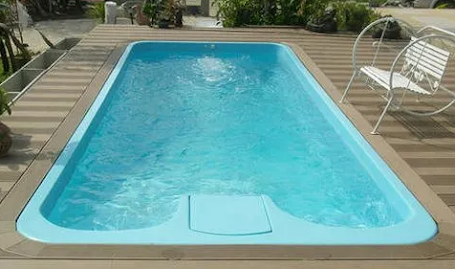
Tile installation in the FRP pools
What is FRP Pool?
FRP (Fiberglass Reinforced Plastic) pools are swimming pools made from a combination of fiberglass and plastic resin, reinforced with a layer of fiberglass cloth. This type of pool is known for being durable, lightweight, and resistant to corrosion, which makes it an ideal choice for both residential and commercial pool installations. Here’s a breakdown of what makes FRP pools distinct:
Key Features of FRP Pools:
Material Composition:
- Fiberglass: The primary material used in FRP pools is fiberglass, a strong and lightweight material that provides excellent structural integrity and resistance to wear.
- Reinforced Plastic Resin: The fiberglass is bonded with a resin (typically polyester or vinyl ester), which creates a smooth, non-porous surface that resists algae growth and is easy to maintain.
Durability:
- FRP pools are highly durable and resistant to cracking, fading, and corrosion. Unlike concrete pools, which can suffer from cracks and require frequent repairs, FRP pools retain their strength and aesthetic appeal for many years.
- They are especially resistant to the chemicals commonly used in pool maintenance, making them an excellent choice for long-term use.
Ease of Installation:
- FRP pools are pre-fabricated in a factory and delivered as a single, molded unit. This means they can be installed much faster than traditional concrete pools, typically in just a few days or weeks, compared to months for concrete pools.
- Installation involves excavating the site, placing the pre-formed pool shell, and connecting the plumbing and electrical systems.
Low Maintenance:
- The smooth surface of FRP pools makes them less prone to algae growth and dirt accumulation. This reduces the need for frequent cleaning and chemical treatments.
- They are also resistant to staining from pool chemicals, which helps maintain the pool's appearance over time.
Aesthetic Appeal:
- FRP pools are available in various shapes, sizes, and colors. The smooth, glossy finish provides a modern and sleek look, and the surface stays clean and shiny for years.
Cost-Effective:
- Although FRP pools are generally more expensive than vinyl liner pools, they are often more affordable than custom concrete pools when factoring in the long-term maintenance and durability.
Types of FRP Pools:
- Above-Ground FRP Pools: These are made for above-ground installations, offering all the benefits of FRP, including easy maintenance and fast installation.
- In-Ground FRP Pools: These are custom-designed for in-ground installations and are made to blend seamlessly into your landscape design.
Benefits of FRP Pools:
- Quick Installation: As mentioned, FRP pools come as pre-molded units, so installation is much faster than other types of pools.
- Low Maintenance and Cleaning: The non-porous surface of FRP makes it resistant to algae and stains, making cleaning and maintenance easier.
- Long-Lasting: With proper care, FRP pools can last for decades without the need for major repairs.
- Energy Efficient: The smooth surface reduces friction in the water, which can help with energy efficiency, especially when used in conjunction with efficient pool pumps and heaters.
Fiberglass Reinforced Plastic (FRP) pools are known for their durability, but to maintain their performance, proper installation is crucial. When applying epoxy adhesive to bond FRP panels or addressing deflection issues, following the right precautions ensures a strong and lasting result. Here's a guide to help you with the process.
1. Surface Preparation for Epoxy Adhesive Application
- Clean Thoroughly: Before applying the epoxy adhesive, make sure the FRP panels are clean. Use a mild detergent or degreaser to remove any grease, dirt, or oil, and allow the surface to dry completely.
- Scuff the Surface: Lightly sand the FRP with fine-grit sandpaper (80-120 grit) to create a rough surface that helps the adhesive bond better.
2. Choosing the Right Epoxy
- Select a Suitable Epoxy: Choose an epoxy that is designed specifically for bonding FRP materials. Ensure that the adhesive is waterproof or rated for underwater use if it's going to be applied in submerged areas of the pool.
- Check Waterproofing: If you're applying epoxy in an underwater or water-exposed area, make sure the product is rated for such conditions.
3. Mixing and Application
- Follow Mixing Instructions: Always mix the resin and hardener according to the manufacturer’s instructions. Incorrect ratios can result in a weak bond or improper curing.
- Even Application: Apply a thin, even layer of epoxy to the surface. Avoid using too much adhesive, as it can cause issues with bonding.
4. Temperature and Humidity Considerations
- Ideal Curing Conditions: Epoxy adhesives cure best at temperatures between 50-90°F (10-32°C). Avoid applying epoxy in extreme temperatures or high humidity.
- Allow Adequate Curing Time: Let the adhesive cure completely before exposing it to any load or moisture. Premature exposure can compromise the bond.
5. Ventilation and Safety Precautions
- Work in a Well-Ventilated Area: Epoxy adhesives emit fumes that can be harmful. Always work in a well-ventilated area or wear a respirator if necessary.
- Wear Protective Gear: Protect your skin and eyes by wearing gloves, goggles, and long sleeves when working with epoxy. Wash off any epoxy that contacts your skin immediately.
6. Addressing Deflection During Installation
Deflection refers to the bending or movement of FRP panels under load. Excessive deflection can weaken the adhesive bond and damage the panels. Here are the steps to minimize deflection during installation:
Proper Support and Framing
- Ensure Proper Support Spacing: Make sure the panels are supported adequately. Follow the manufacturer's guidelines for the spacing of supports to prevent excessive deflection.
- Strong Substructure: Use a robust and level substructure to support the panels. This will prevent them from sagging or bowing under their own weight or external forces.
Reinforcing the FRP Panels
- Use Reinforcements: For larger spans or areas expected to bear heavy loads, consider adding metal or composite reinforcements behind the panels to minimize deflection.
- Consider Ribbed Panels: Some FRP panels come with built-in ribs for added strength. These are ideal for high-stress areas where deflection might be a concern.
Deflection Limits and Monitoring
- Check Manufacturer’s Guidelines: Always follow the manufacturer’s recommended deflection limits. Exceeding these limits can lead to structural issues.
- Monitor During Installation: Keep an eye on the panels during installation to make sure they aren’t deflecting beyond acceptable limits. Adjust support spacing if necessary.
Thermal and Moisture Considerations
- Account for Temperature Changes: FRP panels can expand and contract with temperature fluctuations. Ensure the support system allows for this movement to avoid bending or deflection.
- Prevent Water Accumulation: Make sure that water doesn’t collect behind or beneath the panels, as moisture can contribute to deflection.
7. Post-Installation Checks and Maintenance
- Inspect for Pre-Deflection: Before installation, inspect the panels for any pre-existing warping or defects. This ensures the adhesive will bond properly and that the panels remain stable.
- Monitor for Deflection: After installation, regularly check the panels for signs of deflection or sagging, especially in areas that bear heavy loads.
Conclusion
Proper preparation, the right adhesive, and support are key to ensuring that your FRP pool panels are securely bonded and free from deflection issues. By following these precautions, you'll ensure a strong and lasting result for your pool, with panels that perform well for years to come.